
How Insurance Estimates Compare To Body Shop Estimates
After a car accident, one of the first questions many drivers ask is, “Why doesn’t my insurance estimate match the body shop’s estimate?” It’s a common situation that can cause confusion and unnecessary stress. You may receive an estimate from your insurance company, only to discover that the collision repair shop provides a higher amount after inspecting your vehicle.
The truth is that an insurance estimate vs body shop estimate comparison often comes down to the level of inspection, repair procedures, and hidden damage. Understanding the differences can help you make informed decisions and ensure your vehicle is repaired safely and correctly.
At West Delray Collision Center, we work with insurance companies every day while keeping our primary focus on restoring vehicles according to manufacturer standards. Here’s what you should know before approving repairs.
Why Insurance and Body Shop Estimates Are Different
An estimate is simply a professional opinion of what it will cost to repair your vehicle. However, not all estimates are created the same.
Insurance companies often prepare an initial estimate using:
- Photos submitted through a mobile app
- A quick visual inspection
- Limited access to damaged components
- Standard estimating software
A collision repair facility performs a much more comprehensive inspection. Technicians can examine the vehicle closely, remove damaged panels when necessary, and identify issues that aren’t visible during the insurance company’s initial review.
This is why an insurance estimate vs body shop estimate often results in different repair costs.
What Is an Insurance Estimate?
An insurance estimate is the insurance carrier’s preliminary assessment of repair costs based on the visible damage they can document.
Depending on your insurer, the estimate may be completed:
- Virtually through uploaded photos
- At a drive-in inspection center
- By an independent insurance adjuster
The goal is to determine an estimated repair cost so the claims process can begin quickly.
However, insurance estimates are exactly that: estimates. They are not always the final repair amount.
The Insurance Information Institute explains that additional damage is commonly discovered after repairs begin, which may require supplemental approvals from the insurance company.
What Is a Body Shop Estimate?
A body shop estimate is created after trained collision repair professionals inspect the vehicle in person.
Unlike a quick visual review, technicians evaluate:
- Structural damage
- Frame alignment
- Suspension components
- Safety systems
- Paint damage
- Hidden mechanical issues
- OEM repair procedures
Modern vehicles contain advanced driver assistance systems (ADAS), sensors, cameras, aluminum panels, and specialized materials that require precise repair methods.
At West Delray Collision Center, technicians follow a structured repair process and work with major insurance providers while performing detailed inspections before repairs begin.
Hidden Damage Changes Everything
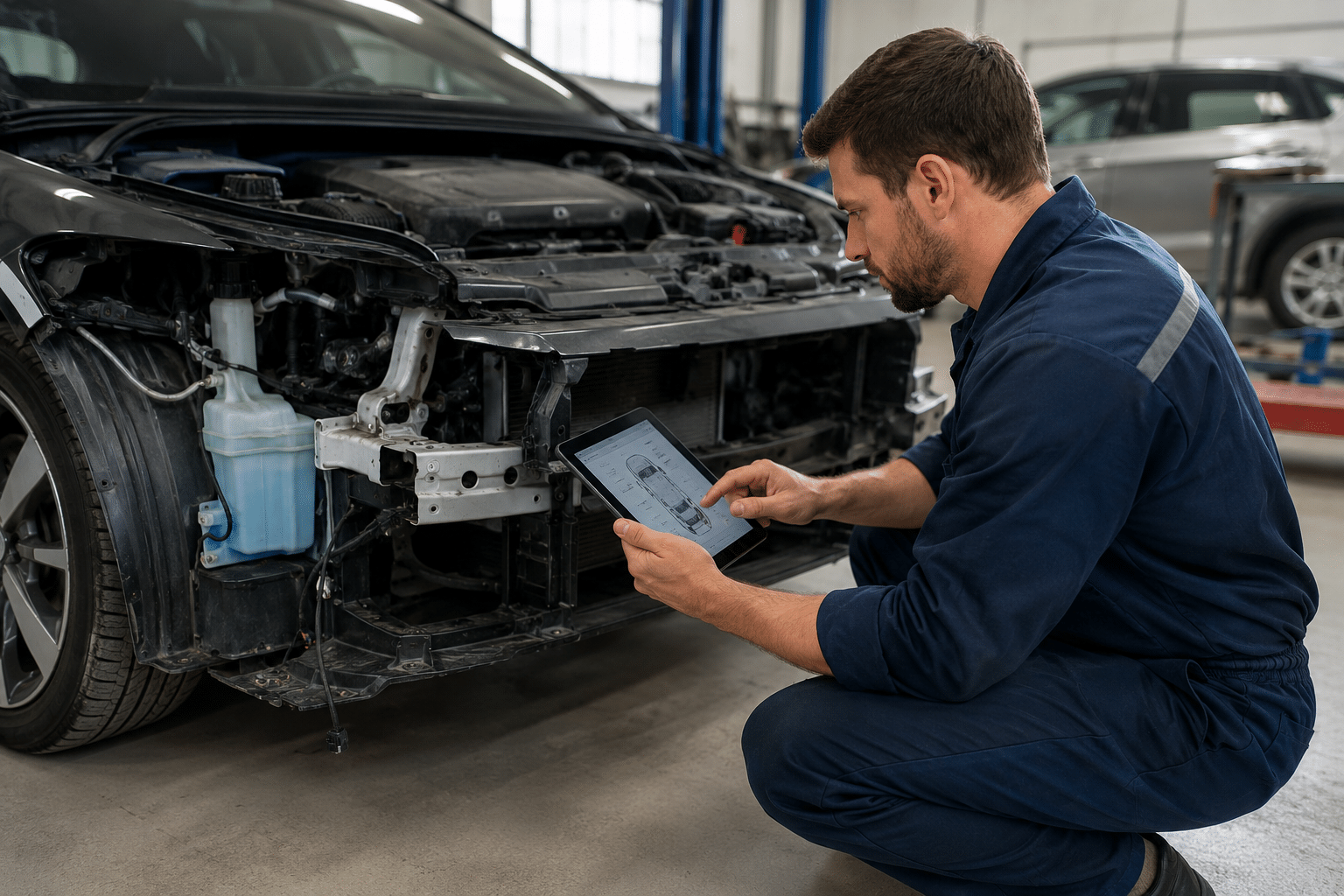
One of the biggest reasons estimates differ is hidden damage.
A bumper that appears scratched may actually have damage to:
- Crash absorbers
- Reinforcement bars
- Parking sensors
- Radar systems
- Mounting brackets
Likewise, what looks like a simple fender dent could involve:
- Bent structural supports
- Suspension damage
- Wheel alignment problems
- Electrical wiring
These issues usually cannot be confirmed until technicians disassemble portions of the vehicle.
This is why supplements are such a normal part of collision repair.
Understanding Repair Supplements
A supplement is an updated estimate submitted after additional damage is discovered during repairs.
This is not unusual.
Instead, it is part of the standard collision repair process.
The repair shop documents the additional damage with photos and repair documentation before submitting the supplement to the insurance company for approval.
Once approved, repairs continue.
Supplements help ensure your vehicle receives the repairs it actually needs instead of only fixing visible damage.
Insurance Companies and Repair Shops Have Different Roles
Many people assume the insurance company determines exactly how repairs should be completed.
That’s not entirely accurate.
Insurance companies are responsible for paying covered damages according to your policy.
Collision repair facilities are responsible for repairing the vehicle safely.
Those responsibilities don’t always produce identical estimates.
Professional collision centers prioritize:
- Vehicle safety
- Proper repair procedures
- Manufacturer recommendations
- Long-term reliability
Insurance adjusters primarily estimate covered repair costs based on available information at the time.
Why Labor Costs May Differ
Labor rates vary between repair facilities.
Several factors affect labor costs, including:
- Technician certifications
- Specialized repair equipment
- Facility certifications
- Training requirements
- Vehicle complexity
Highly trained technicians working on aluminum vehicles, luxury brands, or vehicles with advanced safety technology often require additional certifications and specialized tools.
West Delray Collision Center utilizes advanced repair equipment and certified repair procedures designed to restore vehicles properly after an accident.
OEM Parts vs Aftermarket Parts
Another reason estimates differ is replacement parts.
A repair estimate may include:
- Original Equipment Manufacturer (OEM) parts
- Aftermarket parts
- Recycled parts
- Reconditioned components
OEM parts are manufactured specifically for your vehicle.
Some insurance policies allow aftermarket parts when appropriate, while some repairs may require OEM components to maintain safety or manufacturer specifications.
Your repair facility can explain why certain parts are recommended for your vehicle. National Highway Traffic Safety Administration (NHTSA) offers valuable vehicle safety resources.
Modern Vehicles Require More Than Cosmetic Repairs
Today’s vehicles contain technology that wasn’t common just a decade ago.
Repairs may involve:
- Blind spot monitoring
- Adaptive cruise control
- Lane departure systems
- Automatic emergency braking
- Multiple cameras
- Radar calibration
Even a minor collision may require electronic calibrations after repairs are completed.
These procedures often aren’t visible during an initial insurance inspection but become necessary during the repair process.
Do You Have to Use the Insurance Company’s Recommended Shop?
No.
In most states, including Florida, you generally have the right to choose your own collision repair facility.
Many insurance companies recommend preferred repair shops, but the final decision belongs to the vehicle owner.
Choosing an experienced repair facility gives you the opportunity to ask questions, receive detailed explanations, and understand the repair process from start to finish.
The Florida Department of Financial Services provides consumer information regarding auto insurance claims and policyholder rights.
What Happens if the Body Shop Estimate Is Higher?
This situation happens every day.
If your body shop estimate exceeds the insurance estimate:
- The repair shop documents the additional damage.
- Photos and repair documentation are submitted.
- The insurance company reviews the supplement.
- Additional repairs are approved if covered under your policy.
This process helps ensure repairs reflect the vehicle’s actual condition rather than only the initial visual inspection.
How West Delray Collision Center Helps During Insurance Claims
Navigating an insurance claim after an accident can feel overwhelming.
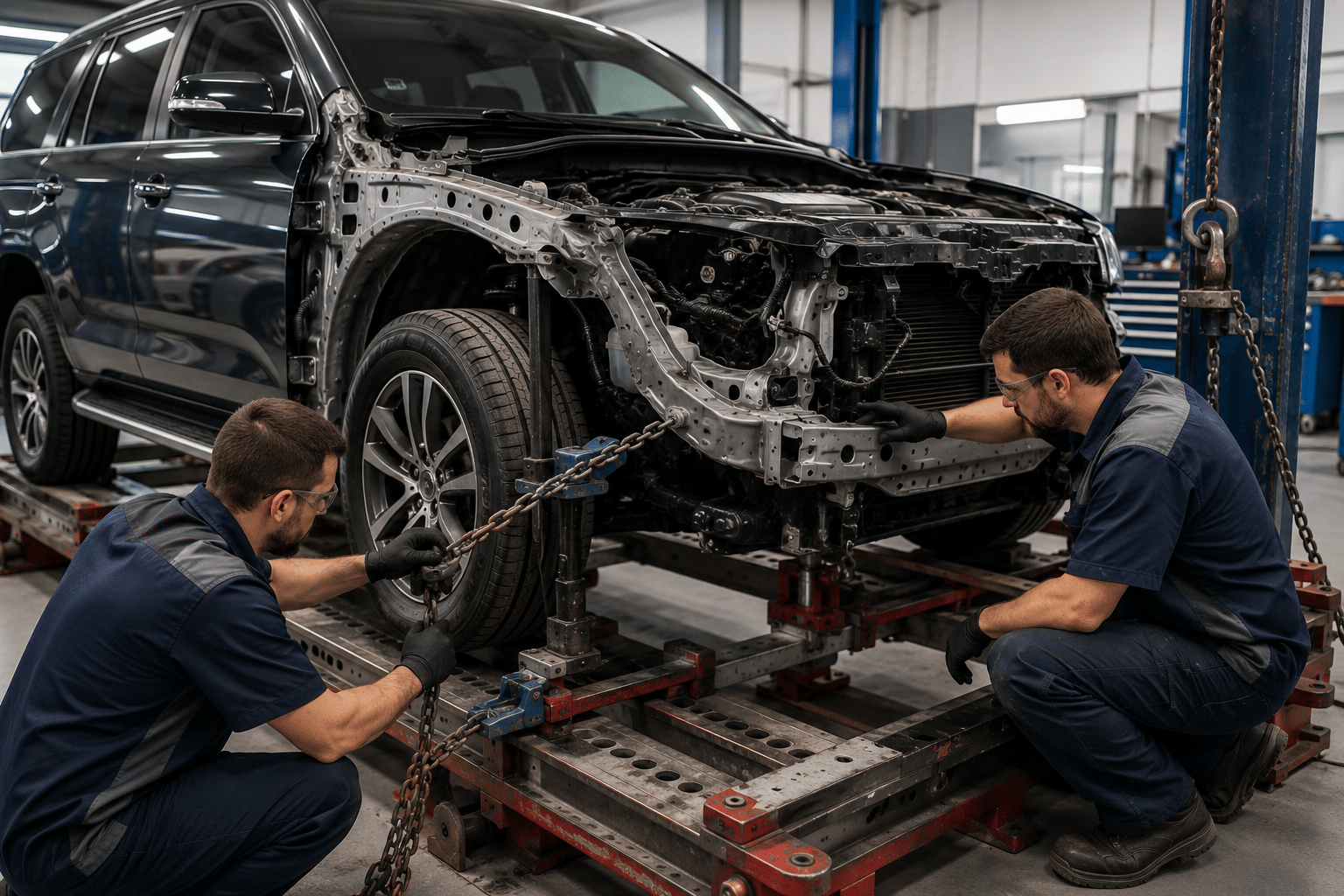
At West Delray Collision Center, our team works directly with insurance companies throughout the repair process while keeping you informed every step of the way.
Our repair process includes:
- Thorough vehicle inspections
- Detailed repair documentation
- Communication with insurance adjusters
- Supplemental estimate preparation when needed
- Manufacturer-recommended repair procedures
- Quality inspections before vehicle delivery
Whether your vehicle needs minor repairs or extensive structural restoration, our goal is to return it to pre-accident condition safely and professionally.
If you’d like to learn more about our collision repair services, our technicians are happy to explain every stage of the repair process.
We also encourage customers to explore our vehicles we service page to see the wide range of makes and models we repair.
How to Avoid Surprises During the Estimate Process
Before authorizing repairs, consider asking these questions:
- Is this only a preliminary estimate?
- Could hidden damage increase repair costs?
- Will supplements be submitted if additional repairs are needed?
- Are OEM parts recommended?
- Will safety systems require recalibration?
- Does the shop communicate directly with insurance companies?
Clear communication helps avoid misunderstandings later in the repair process.
Comparing an insurance estimate vs body shop estimate isn’t about determining who is right or wrong. Both estimates serve different purposes.
Insurance companies provide an initial assessment based on visible information, while collision repair professionals perform a detailed inspection focused on restoring your vehicle safely and correctly.
Because hidden damage, specialized repair procedures, advanced vehicle technology, and manufacturer guidelines all influence repair costs, it’s completely normal for estimates to differ.
If you’ve recently been involved in an accident, don’t let estimated differences cause unnecessary concern. An experienced collision repair center can explain the process, work with your insurance provider, and help ensure your vehicle receives the repairs it truly needs.
Schedule Your Collision Repair Estimate Today
If you need trusted collision repairs after an accident, contact West Delray Collision Center today. Our experienced team works with major insurance companies, performs thorough inspections, and is committed to restoring your vehicle safely and professionally. Schedule your estimate today and let us guide you through every step of the repair process with confidence.
